
Effective Land Clearing Methods: Best Methods to Clear Overgrown Land
Clearing overgrown land is a necessary task for many rural property owners and farmers. It prepares the land for farming, building, or simply improving its appearance. Overgrown land can be difficult to manage without the right approach. I will share effective land clearing methods that work well in Missouri’s rural areas. These methods are practical, efficient, and safe.
Effective Land Clearing Methods for Overgrown Land
There are several ways to clear overgrown land. The best method depends on the size of the area, the type of vegetation, and your budget. Here are some common and effective methods:
Manual Clearing: Using hand tools like machetes, axes, and saws. This is best for small areas or light brush.
Mechanical Clearing: Using heavy equipment such as bulldozers, brush hogs, or skid steers. This works well for large areas with thick brush and small trees.
Chemical Clearing: Applying herbicides to kill unwanted vegetation. This method is useful for controlling regrowth after mechanical clearing.
Controlled Burning: Using fire to clear brush and dead plants. This requires permits and safety precautions but can be very effective.
Grazing Animals: Using goats or sheep to eat brush and weeds. This is a natural and eco-friendly option for ongoing maintenance.
Each method has pros and cons. For example, manual clearing is labor-intensive but precise. Mechanical clearing is fast but costly. Chemical clearing requires knowledge of herbicides and timing. Controlled burning is risky but thorough. Grazing is slow but sustainable.

Choosing the Right Equipment for Land Clearing
The right equipment makes a big difference. For large tracts of land, heavy machinery is often the best choice. Here are some common machines used:
Bulldozers: Push over trees and clear large areas quickly.
Brush Hog Mowers: Cut thick brush and small trees.
Skid Steers: Versatile machines with attachments for digging, cutting, and hauling.
Chainsaws: Essential for cutting down trees and large branches.
Stump Grinders: Remove tree stumps after clearing.
When selecting equipment, consider the terrain and vegetation density. Rocky or uneven land may require smaller, more maneuverable machines. Always ensure operators are trained and follow safety guidelines.
What Kills Brushes Permanently?
To prevent brush from growing back, you need to kill the roots. Simply cutting or burning brush will not stop regrowth. Here are effective ways to kill brush permanently:
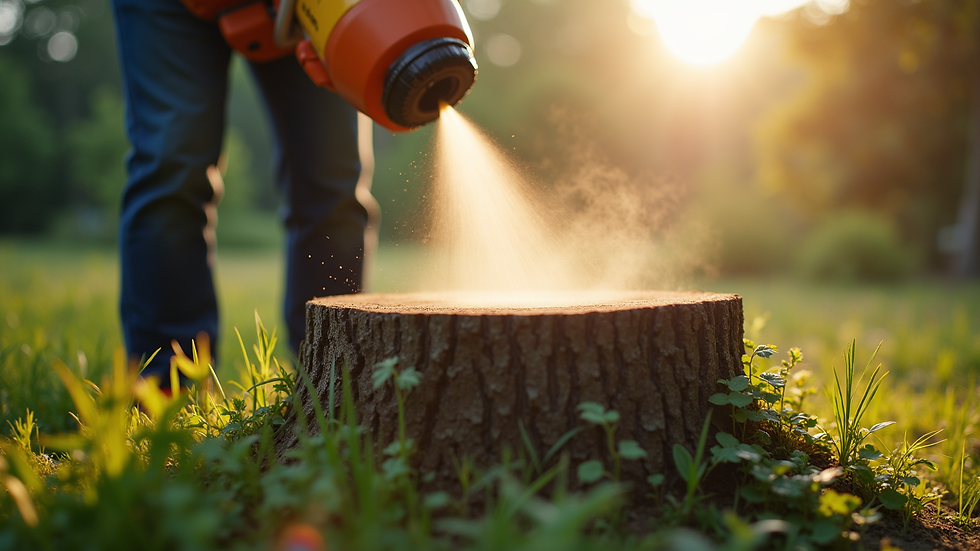
Herbicides: Use products designed to kill woody plants. Apply them directly to cut stumps or foliage. Glyphosate and triclopyr are common choices.
Cut and Treat: Cut the brush and immediately apply herbicide to the stump. This stops regrowth.
Repeated Treatments: Some brush requires multiple herbicide applications over time.
Root Removal: Physically removing roots with machinery or digging can prevent regrowth but is labor-intensive.
Always follow local regulations when using herbicides. Proper timing and application are key to success.
Preparing Land for Future Use After Clearing
Once the land is cleared, preparation for its next use is important. Here are steps to take:
Remove Debris: Clear branches, stumps, and rocks.
Level the Ground: Use machinery to smooth uneven areas.
Soil Testing: Check soil quality for farming or planting.
Erosion Control: Plant grass or cover crops to prevent soil loss.
Install Drainage: Ensure water flows away from structures or fields.
Proper preparation saves time and money later. It also improves the land’s value and usability.
Hiring Professionals vs. DIY Land Clearing
Deciding whether to hire professionals or do it yourself depends on your skills, equipment, and time. Here are some points to consider:
Professional Services: Experts have the right equipment and experience. They complete projects faster and safely. This is ideal for large or difficult jobs.
DIY Clearing: Saves money but requires physical effort and knowledge. Suitable for small areas or light brush.
Combination Approach: You can clear some areas yourself and hire professionals for tougher parts.
For those looking for the best way to clear overgrown land, professional help ensures quality and timely results.
Maintaining Cleared Land to Prevent Overgrowth
Clearing land is only the first step. Maintaining it prevents future overgrowth. Here are tips:
Regular Mowing: Keeps grass and weeds under control.
Spot Herbicide Use: Treat new brush growth early.
Plant Cover Crops: Prevent weeds and improve soil.
Fencing: Keep out unwanted animals that may damage the land.
Scheduled Inspections: Check the land regularly for signs of regrowth.
Consistent maintenance protects your investment and keeps the land usable.
Clearing overgrown land requires planning, the right tools, and ongoing care. Whether you choose manual, mechanical, chemical, or natural methods, understanding each option helps you make the best decision. For large projects in Missouri, professional land clearing services offer expertise and efficiency. Use these effective land clearing methods to transform your property into productive, manageable land.


Comments