
Steps to House Pad Construction
Building a solid foundation is the first step in any successful construction project. A house pad provides a level, stable base for your home. It supports the structure and prevents future settling or shifting. I will walk you through the essential steps to prepare a house pad properly.
Planning and Site Preparation for House Pad Construction
Before any dirt moves, you need a clear plan. Start by marking the exact location of the house pad on your property. Use stakes and string to outline the perimeter. This helps avoid mistakes during excavation.
Next, clear the site of all vegetation, rocks, and debris. Remove trees, roots, and brush to create a clean workspace. This step is crucial to prevent organic material from decomposing under the pad, which can cause instability.
After clearing, check the slope of the land. The site should be graded to allow water to drain away from the future foundation. Proper drainage prevents water pooling and soil erosion.
Finally, call your local utility companies to mark underground lines. Avoiding damage to water, gas, or electrical lines is critical for safety and project continuity.

Excavation and Grading in House Pad Construction
Once the site is ready, excavation begins. Use heavy equipment like bulldozers or excavators to dig down to the required depth. The depth depends on your soil type and local building codes but usually ranges from 6 to 12 inches below the finished grade.
After excavation, the next step is grading. The goal is to create a flat, level surface. Use a laser level or transit to check the grade frequently. Adjust the soil by adding or removing dirt as needed.
Compaction follows grading. Compact the soil with a roller or plate compactor to increase its density. Proper compaction reduces the risk of settling and provides a firm base for the pad.
What kind of dirt is used for a house pad?
Choosing the right soil is vital for a stable house pad. Ideally, you want a soil type that compacts well and drains properly. Clay soils are generally poor choices because they expand and contract with moisture changes.
The best soil for a house pad is a well-graded gravel or sandy loam. These soils provide good drainage and compact tightly. If your site has unsuitable soil, you may need to bring in fill dirt that meets these criteria.
Avoid using topsoil or organic-rich soil in the pad area. These materials break down over time and cause uneven settling.
Installing a Base Layer and Drainage
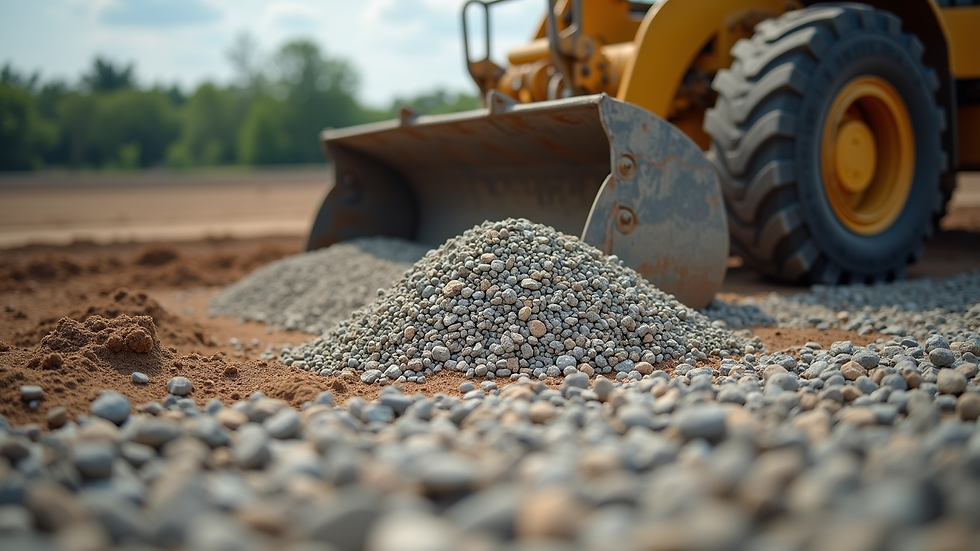
After grading and compaction, install a base layer of gravel or crushed stone. This layer improves drainage and adds stability. Spread the gravel evenly across the pad area to a depth of 4 to 6 inches.
Next, consider installing drainage pipes or a French drain system around the pad perimeter. This helps divert water away from the foundation and prevents water damage.
Once the base layer and drainage are in place, compact the gravel again. This ensures a solid, level surface ready for the foundation.
Final Steps Before Foundation Pouring
Before pouring the foundation, perform a final inspection of the house pad. Check for levelness, compaction, and proper drainage. Make sure the pad dimensions match the building plans exactly.
If needed, add a vapor barrier or moisture barrier on top of the gravel base. This prevents moisture from rising into the foundation slab.
Finally, set up formwork to hold the concrete in place during pouring. The forms should be sturdy and aligned with the pad edges.
At this point, the house pad is ready for foundation construction. Proper preparation ensures your home will have a stable, long-lasting base.
Following these steps carefully will help you create a strong house pad. If you want to learn more about building a house pad, visit the Troup Ground & Land Works, LLC website. They specialize in land improvement and development services across Southwest and South Central Missouri, delivering quality and timely results.
Taking the time to prepare your site correctly saves money and headaches down the road. A well-built house pad is the foundation of a successful build.


Comments